Canadian Dollar Edges Higher as Rising Oil Prices Boost Commodity-Linked Currency
The Canadian dollar strengthened against its US counterpart on Monday, propelled by a notable uptick in global crude oil prices that directly reinforces the loonie’s core structural correlation with energy commodities.
Beatrice Langdon·updated July 14, 2026
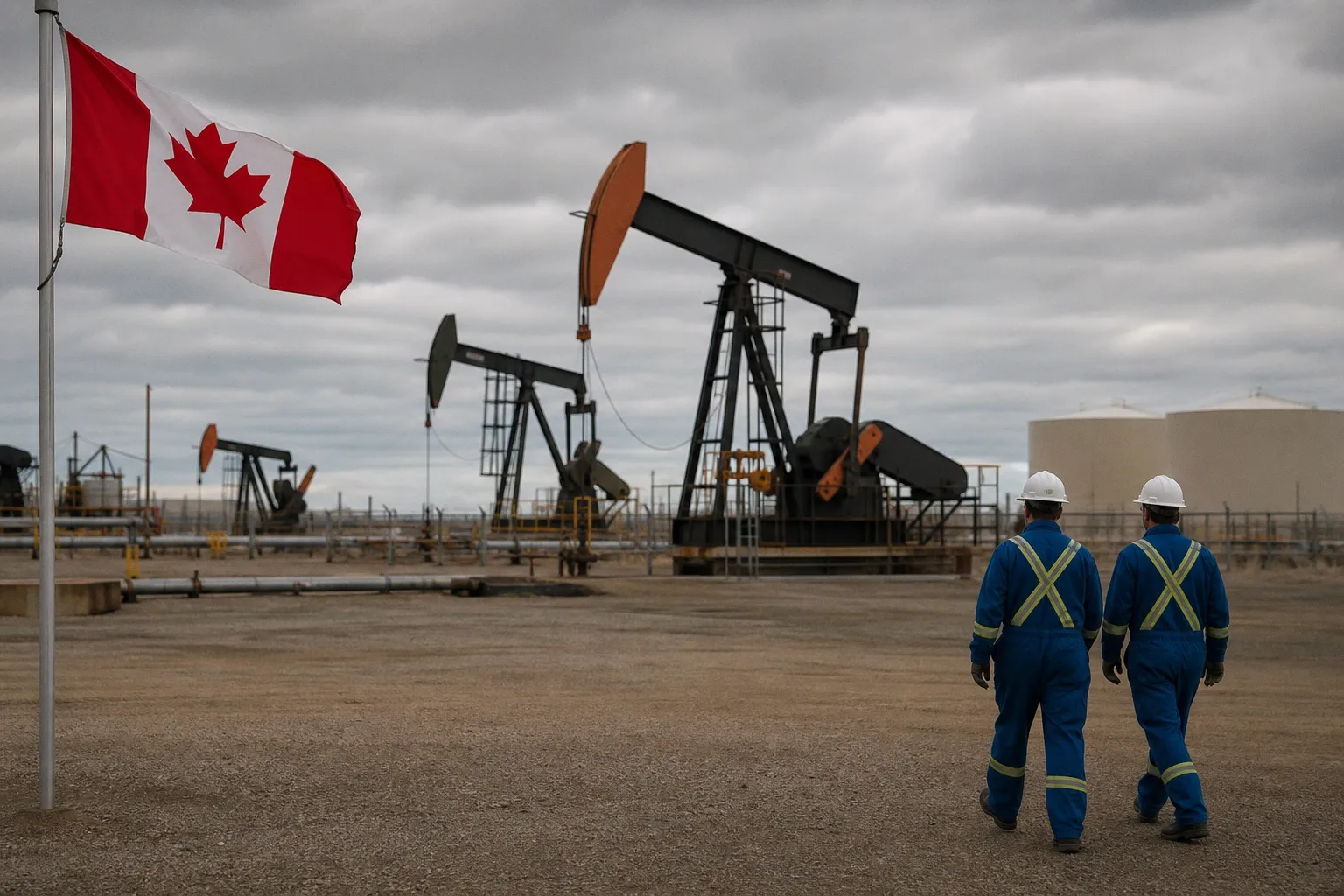
Oil Price Mechanics and Direct Currency Impact
The session's primary driver was a climb in West Texas Intermediate (WTI) crude, the key benchmark for Canadian oil exports. As a major oil producer, Canada's currency exhibits a high beta to crude price fluctuations. The appreciation was directly reflected in a lower USD/CAD rate, confirming the positive correlation in real-time. This relationship remains a foundational variable for short-term CAD valuation, particularly when supply-side concerns or geopolitical risk narratives gain traction in energy markets.
Broader Context for Currency Traders
This uptick occurs against a mixed forex backdrop. The US dollar retains support from resilient domestic data and a Federal Reserve maintaining a relatively hawkish stance. However, commodity-linked currencies like the CAD can find isolated pockets of strength during raw material rallies, creating tactical divergences from broader USD trends. For institutional desks, this highlights the necessity of monitoring energy market headlines alongside traditional forward guidance and employment data when positioning in CAD crosses.
Structural Implications and What to Monitor
A stronger loonie carries direct implications for Canada's trade profile, potentially reducing import costs while applying pressure to export competitiveness. While Monday's move was modest, it reaffirms the CAD's unique sensitivity within the G10 basket. Market participants will continue to track oil price trajectories and upcoming Canadian economic prints for directional cues. The interplay between the Bank of Canada's policy path and the terminal rate differential with the Fed remains the overarching framework, but near-term volatility can be firmly anchored to the commodity tape. For a deeper analysis of live currency flows, see our real-time market session monitor.