Why Weather Concerns Just Sent Coffee And Chocolate Prices Soaring
A simultaneous squeeze in coffee and cocoa futures is reshaping the soft-commodity complex, with macro spillovers now feeding into emerging-market currency pricing and developed-market inflation expectations.
Beatrice Langdon·updated July 10, 2026
Supply Disruption Meets Position Unwind
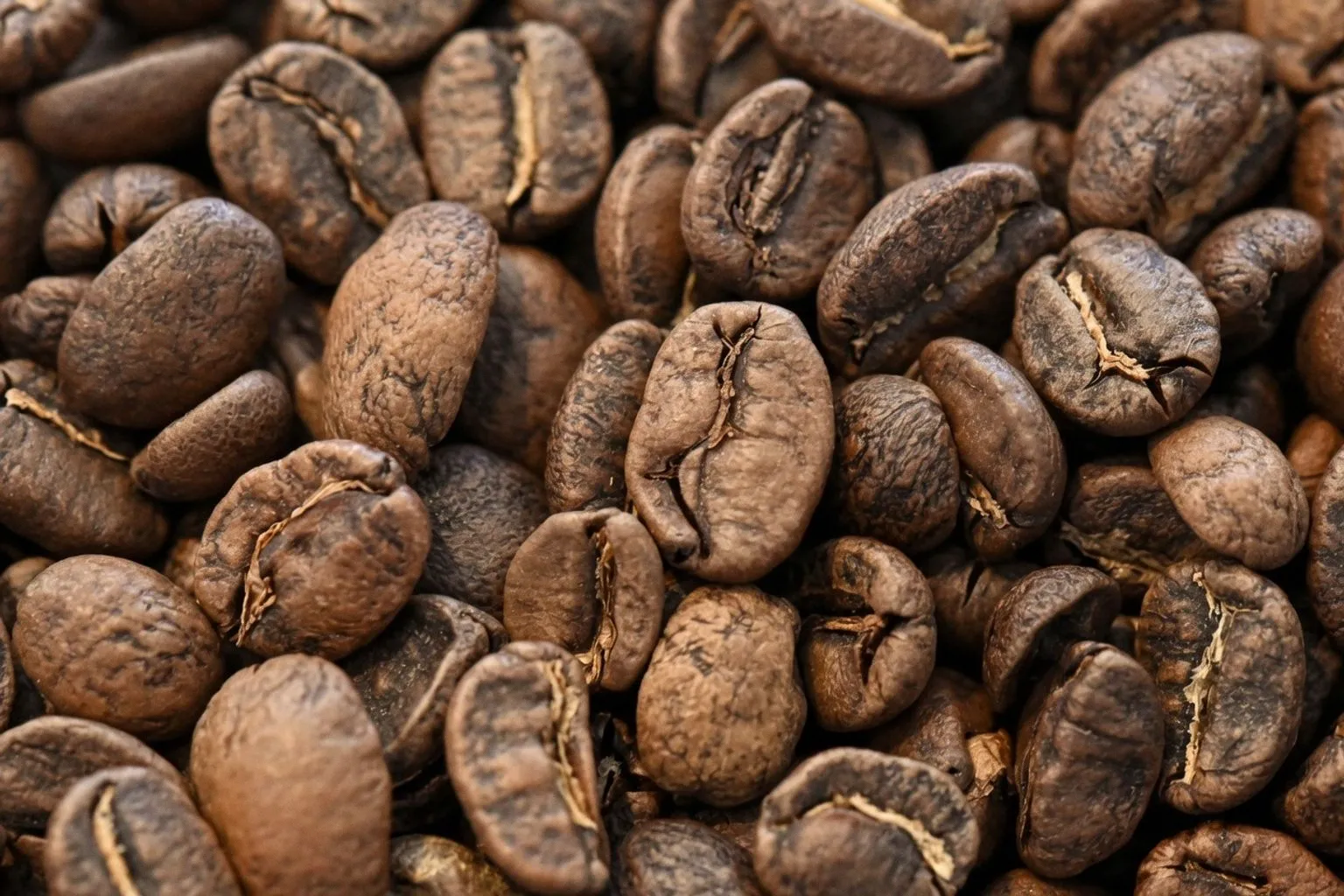
Coffee futures rose as much as 18.5% intraday on Monday to $3.57 per pound — the largest single-session advance since 2000 — extending a 48% rally from the June 10 low. September arabica (KCU26) added a further 9.93% in subsequent trading, while September robusta (RMU26) climbed 6.76%. Cocoa futures surged 13% to their highest level since January, driven by persistent rains across West Africa. StoneX characterized the session as "historic" and placed coffee in "meme-stock territory," attributing the move to aggressive buying by institutional investors and computer-driven funds that overwhelmed heavy selling from producer nations.
Inventory Drain and Margin Mechanics
The Intercontinental Exchange raised margin requirements for coffee futures earlier in the week, draining liquidity and forcing commodity funds to close positions. ICE arabica inventories fell to a 2.25-year low of 354,261 bags, while robusta inventories — after a brief dip — rebuilt to a 3.5-month high of 4,183 lots. Safras & Mercado reported Brazil's 2026/27 harvest at 52% complete as of July 1, trailing last year's 60% and the five-year average of 55%. Somar Meteorologia logged zero rainfall in Minas Gerais through the week of July 5.
Macro Spillovers: From Minas Gerais to the Policy Desk
The supply narrative now hinges on NOAA's estimate of a 67% probability of a "Super El Niño" — the strongest on record — confirmed by the Japan Meteorological Agency on June 10. Rural Clima forecasts mid-July rain across Brazil that could prove "detrimental" to crop quality and threaten tree flowering during the critical September–October window. Counterbalancing these signals, the USDA Foreign Agricultural Service projects a record 2026/27 Brazilian crop of 71.9 million bags (+14% y/y), and Rabobank lifted its global arabica surplus estimate to 9.5 million bags from 7.0 million previously. Vietnam's January–June exports rose 7.3% y/y to 1.05 MMT.
For currency strategists, the transmission mechanism is twofold. A sustained soft-commodity rally pressures the Brazilian real and West African CFA franc through export-revenue volatility, while reinforcing imported-inflation expectations in advanced economies — particularly relevant for the ECB and BoE, where food components carry disproportionate weight in the consumer price basket. StoneX flags a potential contraction of exchange-approved deliverable supply as the asymmetric structural risk. The watchlist: NOAA updates on ENSO probability, ICE margin recalibrations, and any revision to the USDA balance sheet.