Watch Oil Market Prices In Hormuz Resilience
Brent crude’s reaction to the latest security incidents near the Strait of Hormuz presents a critical case study in contemporary geopolitical risk pricing.
Beatrice Langdon·updated July 13, 2026
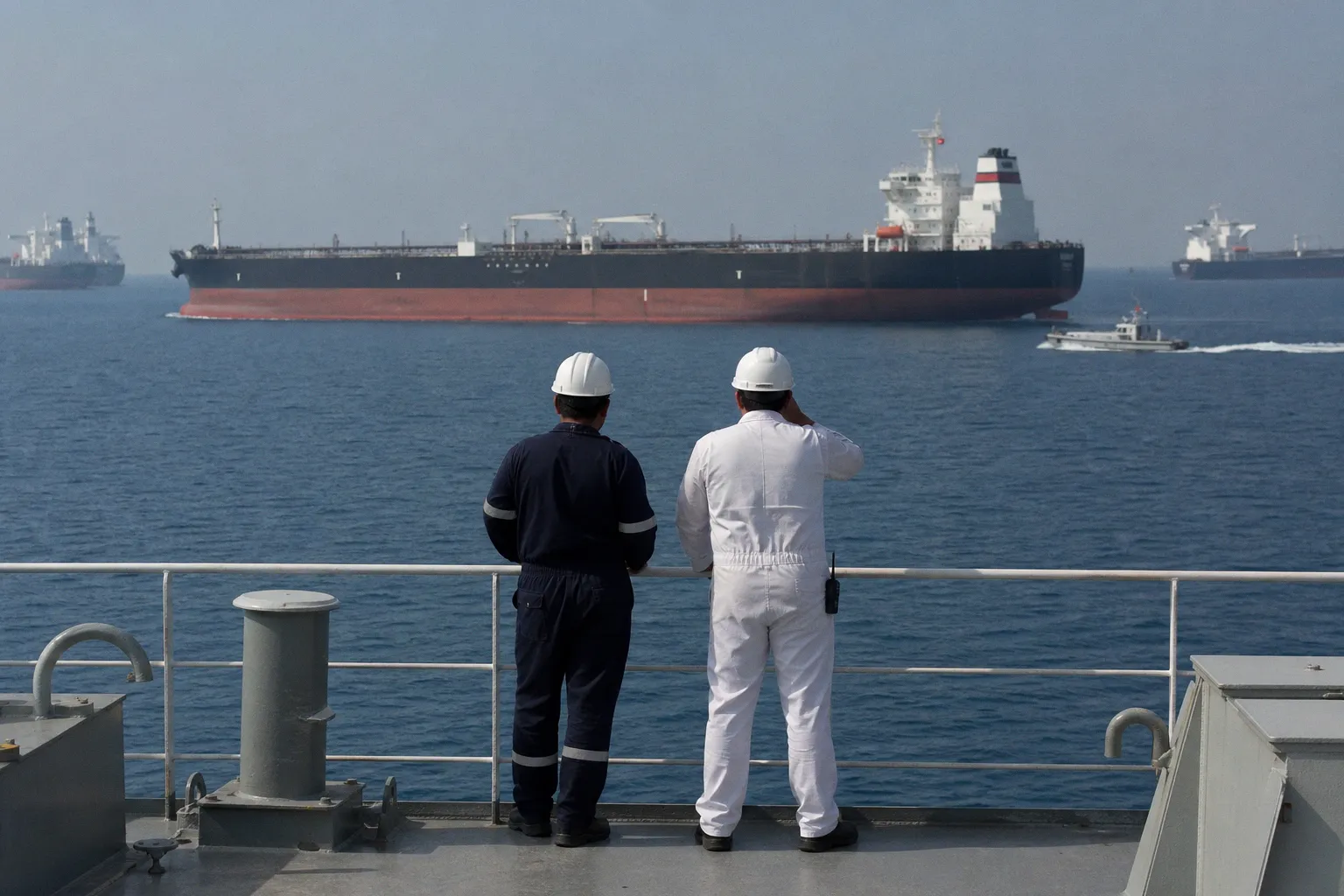
Pricing Mechanism Resilience
The market’s response, as highlighted by Bloomberg’s observation on “Hormuz Resilience,” underscores a decoupling of headline risk from sustained price shocks. While headlines from the Strait catalyze immediate intraday swings, the broader price architecture has absorbed these shocks without spiraling. This suggests that factors like ample spare capacity and inventory buffers are currently outweighing fears of a prolonged supply disruption. For FX desks, this resilience tempers the immediate “flight-to-safety” flows traditionally seen during such crises, altering the calculus for USD and JPY hedging premiums.
Petrocurrency and Carry Trade Implications
The stability noted in emerging market reports, such as the Indian markets staying resilient, points to a managed contagion effect. A contained oil price rally prevents a violent re-pricing in inflation expectations, thereby limiting the urgency for central banks in import-dependent economies to enact emergency rate hikes. This maintains the relative yield differentials that are core to carry trade strategies. Consequently, pairs like USD/INR or EUR/PLN may see less speculative pressure from an energy-supply narrative, keeping the focus squarely on respective monetary policy cycles.
Structural Shift in Risk Assessment
The market’s calibration appears to treat the Strait of Hormuz as a known, calculated risk rather than a novel black swan. This aligns with a top-down view that supply chain risk reassessment is now priced into long-term contracts and shipping insurance, diluting the spot market’s sensitivity. The key variable for FX is now the duration of premium: a brief flare-up supports the current status quo, while a sustained interruption would force a re-pricing of term structures and unleash significant volatility across currency pairs linked to global trade and growth. Traders should monitor maritime insurance rates and vessel tracking data as leading indicators for this repricing. For a broader view on how top performers manage pressure in defining moments, see this analysis on the 2026 FIFA World Cup's key players.
The takeaway for currency strategists is to watch not just the headline crude print, but the shape of the forward curve and the basis between regional benchmarks. The true narrative is in the market’s demonstrated capacity to price in Hormuz-related tension without capitulating—a resilience that is redefining the geopolitical risk premium in energy, and by extension, in FX.