Market Quick Take: Geopolitics Regain Control
The geopolitical premium has reasserted itself across the FX complex, with Saxo Bank flagging renewed US-Iran tensions as the proximate catalyst for oil-led risk repricing.
Beatrice Langdon·updated July 08, 2026
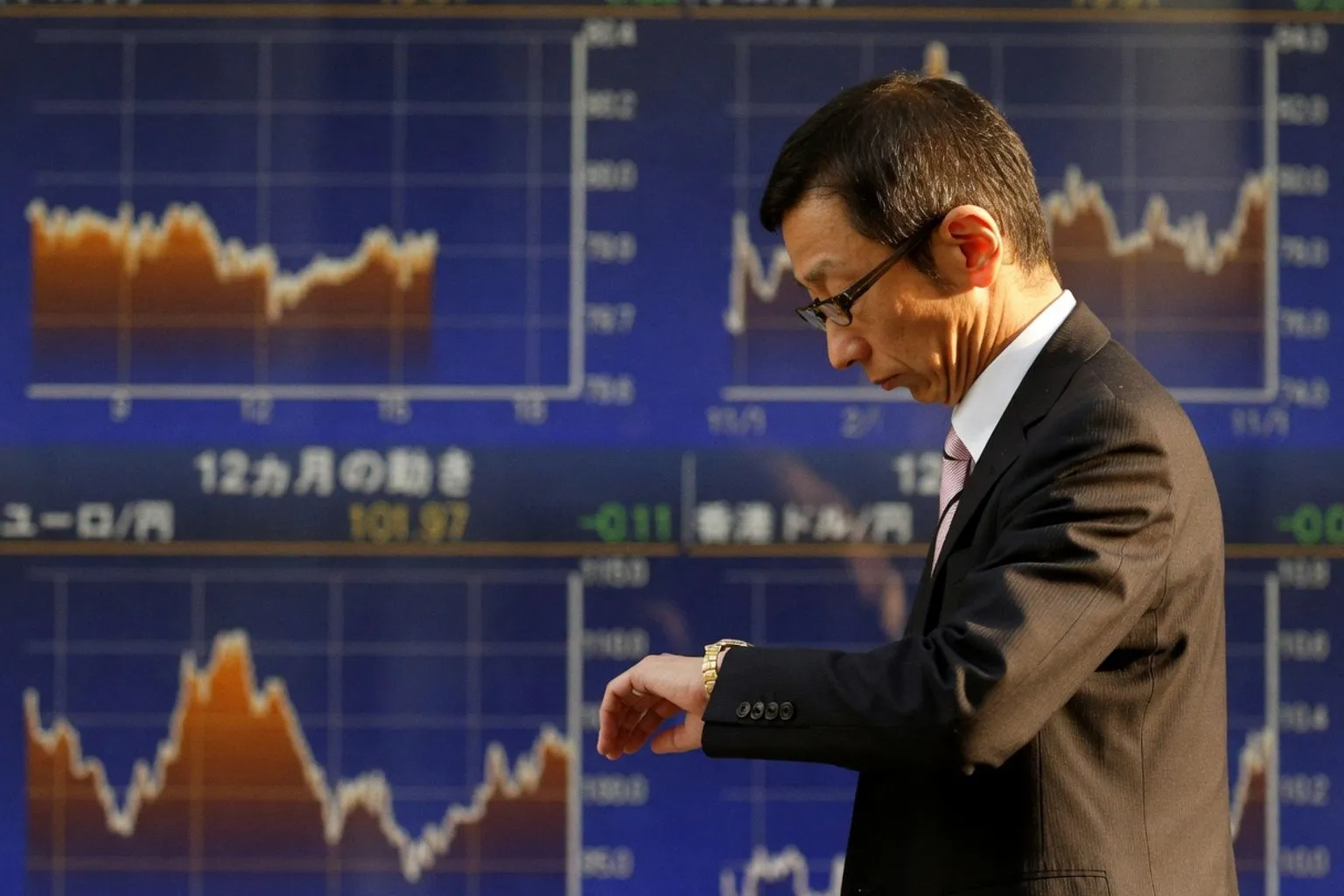
Geopolitical Risk Premium Returns
Escalating US-Iran tensions following fresh airstrikes have revived the geopolitical bid across energy and currency markets, Saxo Bank notes, lifting oil and repricing safe-haven flows. The move reframes commodity currencies against a supply-risk anchor rather than the cyclical-demand anchor that defined the first half of the year, a regime distinction that pressures antipodean crosses against the dollar. PricePedia flags unresolved supply imbalances across key financial commodities, reinforcing the case for risk hedges. VT Markets reports NZD/USD slipping on the combination of softer commodity prices and firming Federal Reserve hike expectations, with the Reserve Bank of New Zealand decision now the immediate catalyst on the calendar.
The Yen Ambush Doctrine
The Ministry of Finance has abandoned the practice of telegraphing intervention. Where officials once signaled proximity to a threshold, permitted positioning to accumulate, and then triggered a mechanical unwind, the new doctrine deploys silence as a weapon. The objective is not to defend a specific level of the yen but to make shorting it feel dangerous. The apparatus has already been tested: Japan spent a record ¥11.7 trillion, roughly $72 billion, during an April–May 2026 intervention window, and the yen fell straight back through the level that had been defended. Atsushi Mimura, Japan's top currency official, has said nothing publicly since that operation.
The constraints are institutional rather than discretionary. Reserves stand at approximately $1.16 trillion, but IMF classification rules ration the frequency of action: three days of intervention count as a single operation, and Japan can execute only two more such windows before November without jeopardizing its freely floating currency designation. The ambush posture is engineered to make the threat feel unlimited precisely because its execution is bounded.
Structural Setup: The Differential That Intervention Cannot Close
The carry trade is funded by the gap between a Bank of Japan policy rate of 1% and a Federal funds corridor at 3.50%–3.75%. Verbal intervention cannot compress that differential; it can only ration the most acute pain of an unwind. CFTC non-commercial net positioning remains deeply negative on the yen, with the short build extended through 2025 and into 2026. The August 2024 episode remains the operating precedent for what a surprise looks like: a 15-basis-point BoJ hike delivered alongside MoF intervention moved dollar-yen from ¥161 to ¥142 in three weeks, drove the Nikkei down 12% in a single session, and liquidated leveraged positions across assets with no obvious Japan linkage.
A well-timed intervention in thin liquidity — a US holiday, an Asian session, a Friday close — could shift dollar-yen by ¥10 to ¥15 within days. Once the move reaches that magnitude, the transmission escapes the G10 complex and the story migrates from currency to global funding. Cross-currency basis, equity index vol, and high-yield credit spreads are the channels to monitor for the first signs that this week's geopolitical premium is layering onto an already stretched yen short.