Euro Holds Range as Markets Eye Lagarde, US-Iran Risks
EUR/USD consolidated around 1.1385 in early European trading Monday, caught between two competing macro forces: a hawkish repricing of the Federal Reserve's terminal rate trajectory under new Chair…
Beatrice Langdon·updated June 29, 2026
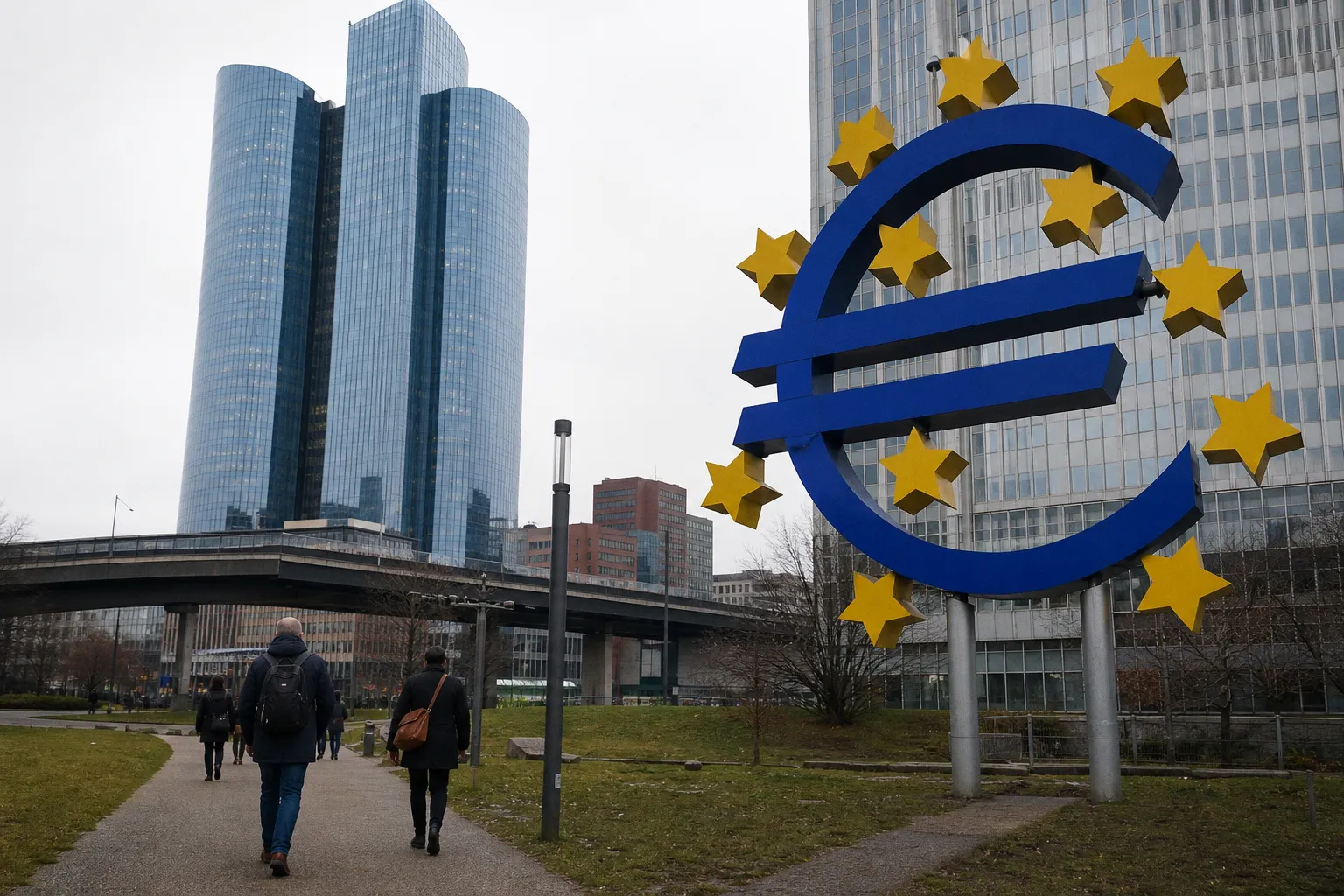
EUR/USD consolidated around 1.1385 in early European trading Monday, caught between two competing macro forces: a hawkish repricing of the Federal Reserve's terminal rate trajectory under new Chair Kevin Warsh and renewed geopolitical risk premia emanating from the Strait of Hormuz. The pair's narrow range reflects market indecision ahead of ECB President Christine Lagarde's opening remarks at the central bank's annual forum and a packed week of US data releases.
ECB Forward Guidance: Lagarde's Parsing Opportunity
Lagarde's Monday appearance arrives at a sensitive juncture for EUR/USD rate differentials. The Governing Council has maintained its data-dependent posture through eight scheduled meetings per year, but equity market volatility and the decline in oil prices create an asymmetric backdrop. Any signal that policymakers are inclined toward a more hawkish stance—tightening forward guidance or signaling further quantitative tightening—could underpin the common currency by compressing the EUR-USD yield spread. Conversely, dovish language referencing growth headwinds would reinforce the current range-bound consolidation. Traders will parse her language closely for directional catalysts; the terminal rate differential between the ECB and Fed remains the primary structural driver of EUR/USD, and any shift in that calculus matters more than headline rhetoric.
Strait of Hormuz: Geopolitical Risk Premium Repriced
The US-Iran standoff near the Strait of Hormuz has introduced a fresh layer of inflationary risk into the macro equation. Iran's Foreign Minister Abbas Araghchi reiterated Tehran's position that responsibility for the waterway "lies solely with Iran," warning that alternative routing would cause "tension and escalation." While a CNN report indicated both sides have agreed to stand down for now—with talks scheduled for Tuesday in Doha, Qatar—the underlying risk premium has not been fully discounted. Elevated energy supply disruption expectations feed directly into inflation breakevens, which in turn support the USD through the rate channel. This dynamic is particularly relevant for EUR/USD positioning: the eurozone's energy import dependency means that sustained Hormuz tensions function as a de facto terms-of-trade shock against the common currency.
Warsh's Debut and the Fed's Terminal Rate Trajectory
The hawkish tone from Kevin Warsh's inaugural appearance as Fed chair has materially shifted market pricing away from US rate cuts this year. This repricing represents the single most significant structural headwind for EUR/USD in the near term. The combination of elevated geopolitical inflation risk and a more restrictive Fed outlook narrows the scope for euro appreciation absent a clear dovish pivot from Washington. Friday's US June employment data will provide the next directional input; stronger-than-expected payrolls would further entrench the terminal rate differential in the dollar's favor, while a soft print could offer temporary relief for EUR/USD bulls. Until then, the pair remains range-bound, with the 1.1385 level serving as the fulcrum between competing macro narratives.